
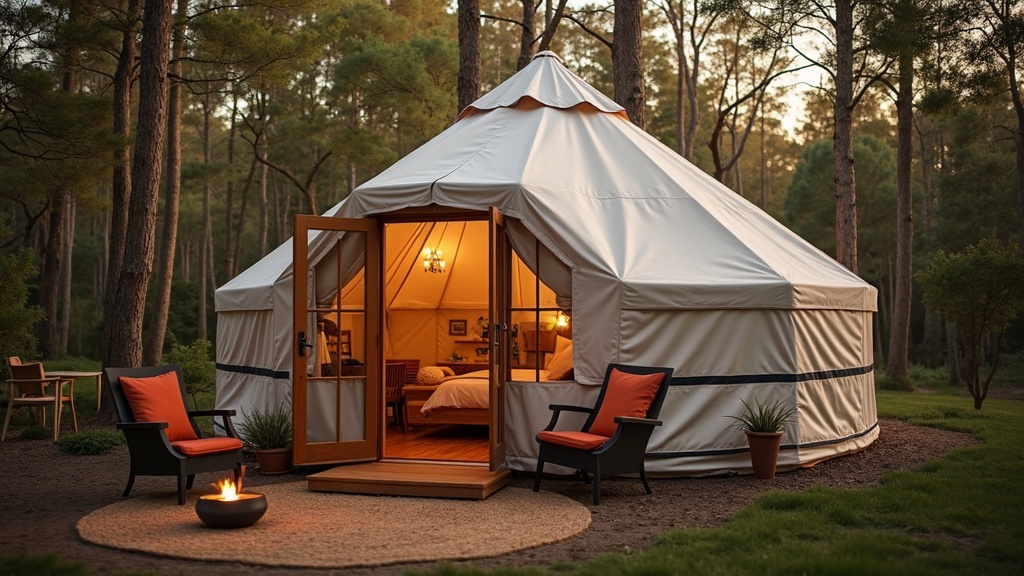
Yurt Camping and Glamping Solutions for Modern Outdoor Stays
Discover how yurt camping and glamping solutions are transforming outdoor hospitality, offering travelers a unique blend of nature and comfort that is driving a multi-billion dollar market shift.
Table of Contents
- The Rise of Yurt-Based Glamping
- Key Features That Define Modern Yurt Accommodations
- Business Opportunities in the Glamping Market
- Sustainability and Design Innovations
- Frequently Asked Questions
- Comparison: Traditional Camping vs. Yurt Glamping
- Practical Tips for Operators
Market Snapshot
- 29% of US campers chose glamping-style accommodations such as luxury yurts in 2025 (Camping Business Europe, 2025)[1]
- The North American glamping market was estimated at $993.2 million in 2025 and is projected to reach $2.60 billion by 2033 (GlobeNewswire, 2026)[2]
- Global glamping market, which includes yurt camping and glamping solutions, is expected to grow at a 15.5% CAGR through 2029 (Trend Tents, 2024)[3]
The camping industry has undergone a remarkable transformation. What was once synonymous with sleeping bags and canned beans has evolved into a sophisticated market for yurt camping and glamping solutions. Travelers today want to immerse themselves in nature without sacrificing the comforts of home. This shift has propelled yurts – those iconic circular structures with a storied history on the Central Asian steppes – into the spotlight as a premier accommodation choice for modern glampers.
The Rise of Yurt-Based Glamping
The demand for yurt camping and glamping solutions has surged as travelers seek experiences that combine time in nature with higher comfort levels. Dan Yates, Founder and Managing Director at Pitchup.com, notes that the camping sector is seeing a clear shift toward experiences that combine time in nature with higher comfort, whether that’s unique accommodations like yurts or access to wellness-focused amenities such as cold plunges and Nordic-style spas[4].
Data supports this trend. A report from Camping Business Europe found that 29 percent of US campers chose glamping-style accommodations such as luxury yurts, geodesic domes, and treehouses in 2025, representing a 5 percentage point increase from the previous year[1]. This growth indicates that alternative outdoor stays have become a mainstream segment of the outdoor hospitality market rather than a niche[5].
Market projections are equally compelling. The North American glamping sector alone was valued at $993.2 million in 2025 and is forecast to reach $2.60 billion by 2033, growing at a compound annual growth rate of 12.9 percent[2]. Globally, the market was estimated at $561 million in 2023 and is expected to hit $1.3 billion by 2029[3]. These figures underscore the enormous potential for operators investing in yurt camping and glamping solutions.
What Is Driving Demand?
Millennials and Gen Z are the primary drivers of this expansion. According to a North America Glamping Market Trends Analysis Report, these generations are seeking immersive travel experiences that combine luxury and nature, pushing operators to invest in distinctive accommodations such as yurts and upgraded on-site amenities[6]. The desire for Instagram-worthy stays, coupled with a growing emphasis on wellness and sustainability, has made yurts an ideal canvas for glamping operators.
Key Features That Define Modern Yurt Accommodations
Modern yurt camping and glamping solutions are a far cry from their nomadic ancestors. Today’s yurts are engineered for comfort, durability, and aesthetic appeal. They typically feature a wooden lattice wall, a tension band, and a roof ring that allows for natural light and ventilation. High-end models include insulation, electricity, heating, and sometimes even private bathrooms.
Strategic Market Research analysts observe that glamping has evolved from a niche luxury travel experience into a mainstream alternative to hotels and resorts, driven by travelers who want immersive outdoor stays without sacrificing comforts like climate control, private bathrooms, and high-speed connectivity[7]. Yurts meet this demand perfectly, offering a spacious, circular interior that can be furnished with real beds, sofas, and even wood-burning stoves.
Versatility is another key advantage. The MarketIntelo Research Team highlights that yurts are increasingly being adopted as versatile glamping solutions, meeting demand for experiential and sustainable travel by offering structures that are fast to deploy, energy-efficient, and adaptable for uses ranging from wellness retreats to agritourism and climate-resilient shelter[8]. This adaptability makes them a smart investment for property owners looking to diversify their offerings.
Business Opportunities in the Glamping Market
For entrepreneurs and property owners, yurt camping and glamping solutions represent a significant business opportunity. The barrier to entry is relatively low compared to building traditional lodges or cabins. Yurts can be erected quickly, require minimal foundation work, and often bypass strict zoning regulations that apply to permanent structures.
The corporate wellness sector is also fueling demand. The MarketIntelo Yurt Market Research Report notes that corporate wellness spending is growing at 14.2 percent annually through 2025, a key driver for demand in yurt-based retreat and glamping solutions[8]. Companies are increasingly investing in off-site retreats for team building and mental health, and yurt camps provide an ideal setting for these programs.
Operators can also capitalize on emerging niche markets. For example, search growth for naturist campgrounds on Pitchup.com has surged by 742 percent year-to-date compared with 2023[4]. While this is a specific niche, it illustrates the broader trend of travelers seeking unique, immersive experiences. Whether it’s a wellness retreat, a family glamping vacation, or a romantic getaway, yurts can be tailored to suit any audience.
For those looking to explore premium options, luxury yurts for glamping retreats offer a comprehensive range of high-end structures designed for comfort and style.
Sustainability and Design Innovations
Sustainability is a core selling point for yurt camping and glamping solutions. Yurts have a smaller environmental footprint than traditional buildings. They use fewer materials, generate less construction waste, and can be heated and cooled more efficiently due to their circular shape, which minimizes surface area. Many operators are pairing yurts with solar panels, composting toilets, and rainwater collection systems to further reduce their impact.
Design innovations are also enhancing the guest experience. Modern yurts now come with features like panoramic windows, skylights for stargazing, and weather-resistant fabrics that can withstand harsh climates. Some manufacturers offer modular yurts that can be connected to create larger spaces for dining or events, expanding the potential for group bookings and weddings.
The integration of technology is another trend. High-speed internet, smart lighting, and climate control systems are becoming standard in upscale yurt accommodations. This allows guests to stay connected while enjoying the outdoors, a balance that is increasingly important for remote workers and digital nomads.
Frequently Asked Questions
What is the average cost of a yurt for glamping?
The cost of a yurt for glamping varies widely based on size, materials, and features. A basic, uninsulated yurt suitable for seasonal camping can start around $5,000 to $10,000. However, a fully insulated, luxury yurt with windows, a wood stove, and electrical wiring can cost between $20,000 and $50,000. High-end custom yurts with premium finishes and large diameters may exceed $80,000. It is important to factor in additional costs for foundation, furnishings, and site preparation.
Are yurts suitable for year-round use?
Yes, modern yurts can be designed for year-round use. With proper insulation, a reliable heating source such as a wood stove or propane heater, and weather-resistant outer covers, yurts can remain comfortable in both winter and summer. Many glamping operators in cold climates successfully use yurts throughout the year. It is crucial to choose a yurt with a high-quality insulation package and to ensure proper ventilation to manage condensation.
What permits are needed to operate a yurt glamping business?
Permitting requirements for yurt glamping businesses vary by location. In many areas, yurts are classified as temporary structures or recreational vehicles, which may have different regulations than permanent buildings. Operators typically need a business license, a zoning permit, and approval from local health departments for sanitation facilities. Some jurisdictions require building permits for platforms or decks. It is essential to consult with local planning departments and a land use attorney before investing in a yurt glamping operation.
How long does a yurt typically last?
A well-maintained yurt can last 15 to 25 years or more. The lifespan depends on the quality of materials, climate conditions, and how well the yurt is maintained. The wooden lattice frame can last for decades if kept dry, while the outer fabric cover typically needs replacement every 8 to 12 years. Regular inspections for mold, rot, and wear on the canvas or vinyl cover are essential. Proper site drainage and periodic treatments of the wood frame can significantly extend the yurt’s lifespan.
Comparison: Traditional Camping vs. Yurt Glamping
Understanding the differences between traditional tent camping and yurt glamping can help travelers and operators make informed decisions. While both offer access to nature, the experience and investment levels are vastly different.
| Feature | Traditional Tent Camping | Yurt Glamping |
|---|---|---|
| Comfort Level | Basic; sleeping bag on ground | High; real bed, furniture, climate control |
| Setup Time | 15-30 minutes | Pre-set by operator; guest arrives ready |
| Weather Protection | Limited; thin fabric | Excellent; insulated, sturdy frame |
| Cost to Guest (per night) | $20-$50 | $150-$500+ |
| Investment for Operator | Low ($200-$500 per tent) | Moderate to High ($10,000-$50,000 per yurt) |
| Target Audience | Budget-conscious, rugged adventurers | Comfort-seekers, families, couples |
Practical Tips for Operators
For those considering entering the yurt glamping market, here are actionable tips to ensure success:
- Choose the right location. Proximity to natural attractions, national parks, or urban centers is critical. Ensure the site has good drainage, access to utilities, and is zoned for short-term rentals.
- Invest in quality amenities. Guests expect more than just a roof. Provide comfortable beds, quality linens, heating and cooling, and a private or well-maintained shared bathroom. Small touches like a coffee maker, board games, and a fire pit can significantly enhance the experience.
- Market to your niche. Whether you target wellness retreats, family vacations, or romantic getaways, tailor your marketing accordingly. Use high-quality photos and videos that showcase the unique interior and surrounding nature.
- Plan for maintenance. Yurts require regular upkeep. Inspect the fabric cover for tears, treat the wood frame for pests, and ensure the platform remains level. Having a maintenance schedule will prevent costly repairs and negative reviews.
- Stay informed on trends. The glamping market is evolving rapidly. Follow industry reports to stay ahead of the curve. Consider adding unique experiences like guided hikes, stargazing sessions, or on-site yoga classes to differentiate your property.
For more about Yurt camping and glamping solutions, see learn more about yurt camping and glamping solutions.
Wrapping Up
The market for yurt camping and glamping solutions is booming, driven by travelers who want the beauty of the outdoors without compromising on comfort. With the North American glamping sector projected to nearly triple in value by 2033, now is an ideal time for operators to invest in yurt accommodations. Whether you are a landowner looking to diversify income or an entrepreneur entering the hospitality space, yurts offer a versatile, sustainable, and profitable path forward. To learn more about how to get started, explore the latest resources on unique guest experiences.
Sources & Citations
- 2025 State of Outdoor Hospitality Report: in the US, glamping matches traditional camping. Camping Business Europe.
https://www.campingbusiness.eu/en/2025-state-of-outdoor-hospitality-report-in-the-us-glamping-matches-traditional-camping/ - North America Glamping Market Trends Analysis Report 2026–2033. GlobeNewswire.
https://www.globenewswire.com/news-release/2026/05/26/3301242/28124/en/north-america-glamping-market-trends-analysis-report-2026-2033-expansion-driven-by-millennials-and-gen-z-s-desire-for-immersive-travel-experiences-that-combine-luxury-and-nature.html - The Glamping Revolution: Luxury Camping, Unique Stays Redefine American Vacations. Trend Tents.
https://trendtents.com/blogs/news/the-glamping-revolution-luxury-camping-unique-stays-redefine-american-vacations - These Are the 6 Big Camping Trends You’ll See in 2025. Matador Network.
https://matadornetwork.com/read/camping-trends-for-2025/ - Report Editorial Team, 2025 State of Outdoor Hospitality Report, Camping Business Europe. (2025).
- Glamping Market Report Editorial Team, North America Glamping Market Trends Analysis Report. (2026).
- Strategic Market Research Analysts, Glamping Market 2026 Insights Team. (2025).
- Yurt Market Research Report 2033. MarketIntelo.
https://marketintelo.com/report/yurt-market