
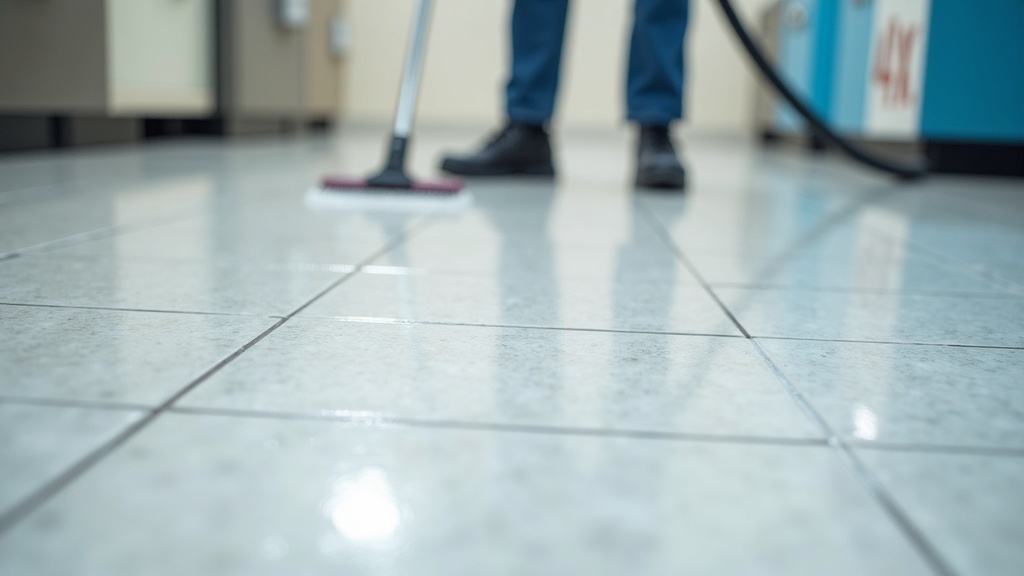
Commercial Grout Cleaning: Methods for Large-Scale Facilities
Learn how commercial grout cleaning differs from residential scrubbing with professional-grade equipment, chemical solutions, and systematic methods used in large facilities.
Table of Contents
- Machines and Equipment for Commercial Grout Cleaning
- Professional Cleaning Solutions and Chemicals
- Step-by-Step Process for Large-Scale Grout Cleaning
- Innovations in Commercial Grout Cleaning Technology
- Frequently Asked Questions
- Comparison of Commercial Grout Cleaning Methods
- Practical Tips for Facility Managers
- Final Thoughts on Commercial Grout Cleaning
Article Snapshot: Commercial grout cleaning is the systematic restoration of tile and grout surfaces in large-scale facilities using industrial equipment, specialized chemicals, and proven protocols. This article covers essential machinery, cleaning agents, step-by-step procedures, and the latest innovations shaping the industry.
Market Snapshot
- Commercial extraction systems can deliver pressure up to 1,200 PSI for deep cleaning (Advance Industrial, 2026)[1]
- Water is heated to 200 degrees for extraction cleaning in professional methods (Advance Industrial, 2026)[1]
- Next-generation machines feature multi-stage filtration and water treatment systems (Accio AI, 2026)[2]
Commercial grout cleaning requires a fundamentally different approach than household scrubbing. Facilities such as shopping centers, hospitals, commercial kitchens, and office lobbies demand equipment that can cover vast square footage while delivering consistent results. The stakes are high: dirty grout not only looks unprofessional but can harbor bacteria and degrade floor integrity over time. This article provides a thorough examination of the methods, tools, and strategies professionals use to tackle grout cleaning at scale.
Machines and Equipment for Commercial Grout Cleaning
Professional commercial grout cleaning relies on heavy-duty machinery designed for continuous operation. Ride-on scrubbers, walk-behind extraction units, and steam cleaning systems form the backbone of any large-scale operation. These machines combine high-pressure water delivery with powerful vacuum recovery to extract dirt and cleaning solution from deep within grout lines.
High-pressure extraction systems can deliver up to 1,200 PSI, which is essential for dislodging embedded soil in porous grout (Advance Industrial, 2026)[1]. Water heated to 200 degrees Fahrenheit further enhances cleaning effectiveness by breaking down grease and organic matter. Many modern units also incorporate rotating brush decks with thin bristles that reach into grout channels without damaging the surrounding tile.
For extremely large areas, ride-on cleaning systems offer efficiency gains. These machines often feature multi-stage filtration and onboard water treatment systems that allow operators to recycle water, reducing downtime for refills (Accio AI, 2026)[2]. According to one industry provider, “a combination of steam cleaning and commercial-grade scrubbing machines is the most efficient method for large commercial floors” (JAN-PRO Cleaning & Disinfecting, 2026)[3].
When selecting equipment, it is critical to match the machine’s capabilities to the specific grout type and facility conditions. For example, epoxy grout found in commercial kitchens may require different brush aggression than cementitious grout in a retail showroom. Professionals should also ensure their equipment includes a vacuum attachment capable of removing loosened debris immediately, preventing it from resettling into clean lines.
Professional Cleaning Solutions and Chemicals
The chemistry behind commercial grout cleaning is as important as the hardware. Professional cleaners typically use a combination of alkaline degreasers, acidic cleaners, and oxygen-based bleaches to address different types of soiling. Alkaline solutions break down grease and oils common in food service areas, while acidic cleaners remove mineral deposits and efflorescence from cementitious grout.
Oxygen bleach powders have become a preferred alternative to liquid bleach for many professionals. As one commercial cleaning guide states, “instead of pouring liquid bleach onto the tile, many professionals recommend using an oxygen grout cleaner powder” (JAN-PRO Cleaning & Disinfecting, 2026)[3]. These powders release hydrogen peroxide when mixed with water, creating an oxidizing reaction that lifts stains without the harsh fumes or discoloration risks associated with chlorine bleach.
Application timing matters. A commercial cleaning guide recommends waiting 30 minutes for oxygen bleach mixture to work on grout before wiping it away (JAN-PRO Cleaning & Disinfecting, 2026)[3]. This dwell time allows the chemical reaction to penetrate porous grout fully. In high-traffic commercial environments, scheduling this waiting period into the workflow prevents rushed applications that yield subpar results.
Some facilities are also adopting enzyme-based cleaning solutions, which use biological agents to digest organic soils. These are particularly effective in restrooms and food preparation areas where organic buildup is persistent.
Step-by-Step Process for Large-Scale Grout Cleaning
Executing commercial grout cleaning at scale requires a systematic process that balances thoroughness with efficiency. The first step is a thorough inspection of the floor to identify heavy soil zones, damaged grout, and any sealant conditions. This assessment informs chemical selection and machine setup.
Next, the cleaning solution is applied. Whether using an oxygen bleach powder or an alkaline degreaser, the chemical must be mixed according to manufacturer specifications and applied evenly across the work area. A common professional recommendation is to work in a 3×3 tile area when steaming grout to prevent loosened soil from settling back into the lines (YouTube, 2026)[4].
After the appropriate dwell time, the extraction process begins. The machine’s high-pressure wand or rotating brush agitates the grout lines while the vacuum system simultaneously removes the dirty solution. This step is repeated until the extracted water runs clear, indicating that the grout is clean. One commercial grout-cleaning machine FAQ states that a liquid cleaning solution must be used before the machine (Grout Groovy, 2026)[5], emphasizing that pre-treatment is non-negotiable for professional results.
Finally, the cleaned floor is rinsed with clean water to remove any residual chemical, and the area is dried thoroughly. In facilities that require immediate re-entry, such as hospitals or restaurants, rapid-drying techniques using floor fans or dehumidifiers are employed. Post-cleaning inspection ensures that all grout lines meet the facility’s cleanliness standards before the area is returned to service.
Innovations in Commercial Grout Cleaning Technology
The commercial grout cleaning industry is experiencing rapid technological advancement. One of the most significant developments is the integration of autonomous cleaning units that use SLAM (Simultaneous Localization and Mapping) navigation to map facilities and identify optimal cleaning paths (Accio AI, 2026)[2]. These robots can operate during off-hours, performing grout cleaning without disrupting daily operations.
An industry publication notes that “advanced extraction systems, AI powered scrubbers, and others are resulting in better outcomes, reducing labor costs, improving sustainability traits and extending the life span of tile investments in shopping centers, commercial kitchens, public restrooms” (E2E Cleaning, 2026)[6]. These innovations fall into three categories: advanced extraction, AI-powered automation, and eco-friendly chemistry.
Sustainability is a driving force behind many new products. Machines with multi-stage filtration and water treatment systems reduce water consumption by up to 70% compared to traditional methods. This not only lowers operational costs but also helps facilities meet green building certification requirements. Another provider notes that “sustainability meets large-scale efficiency in the latest generation of ride-on cleaning systems designed for massive commercial spaces” (Accio AI, 2026)[2].
For facility managers overseeing properties with extensive tile surfaces, staying informed about these innovations is essential. The ability to clean grout effectively without harsh chemicals or excessive water usage aligns with broader corporate sustainability goals.
Frequently Asked Questions
How often should commercial grout be professionally cleaned?
The frequency of commercial grout cleaning depends on traffic levels and the facility type. High-traffic areas like shopping mall corridors and hospital lobbies typically require professional cleaning every 6 to 12 months. Lower-traffic areas such as office break rooms may only need annual service. Regular cleaning prevents soil from becoming deeply embedded, which extends the life of the grout and reduces long-term maintenance costs.
Can commercial grout cleaning damage my floors?
When performed correctly with appropriate equipment and chemicals, commercial grout cleaning should not damage tile or grout. However, using excessive pressure on delicate tile types or applying harsh acids to unsuitable grout can cause etching or discoloration. Professionals always test cleaning solutions in an inconspicuous area first and adjust machine settings based on the specific floor materials.
What is the difference between steam cleaning and extraction cleaning for grout?
Steam cleaning uses high-temperature vapor to loosen dirt and kill bacteria, while extraction cleaning combines pressurized water and chemical solution with powerful vacuum recovery. Many commercial applications use both methods in sequence: steam to break down tough soils, followed by extraction to remove the loosened debris. The combination is considered the gold standard for deep commercial grout cleaning.
Do I need to seal grout after commercial cleaning?
Sealing grout after commercial cleaning is highly recommended, especially in facilities prone to spills and moisture. A high-quality penetrating sealer creates a protective barrier that repels liquids and stains, making future cleaning easier. In commercial kitchens and restrooms, sealants with antimicrobial additives provide additional hygiene benefits. The grout must be completely dry before sealing, which typically takes 24 to 48 hours.
Comparison of Commercial Grout Cleaning Methods
Facility managers evaluating commercial grout cleaning options should understand the trade-offs between different approaches. Each method offers distinct advantages depending on the facility size, soil type, and budget constraints. The following table compares the most common professional methods.
| Method | Best For | Equipment Cost | Labor Intensity | Drying Time |
|---|---|---|---|---|
| Steam Cleaning | Grease and organic soil removal | Medium | Medium | 2–4 hours |
| High-Pressure Extraction | Deep soil and embedded dirt | High | Low (with ride-on) | 4–6 hours |
| Chemical Scrub & Vacuum | General maintenance cleaning | Medium | Medium | 1–2 hours |
| Autonomous Robotic Cleaning | Daily maintenance in large spaces | Very High | Very Low | Minimal |
Practical Tips for Facility Managers
Implementing an effective commercial grout cleaning program requires more than just buying the right equipment. The following actionable tips can help facility managers maintain tile and grout surfaces between professional cleanings.
- Establish a daily dry-mopping routine. Loose dirt and grit act as abrasives that wear down grout and tile surfaces. Using microfiber dry mops in high-traffic zones prevents this abrasive damage and reduces the frequency of deep cleaning.
- Address spills immediately. Acidic substances like coffee, juice, and cleaning chemicals can etch grout if left to sit. Train custodial staff to blot spills rather than scrub them, which can force the liquid deeper into porous grout.
- Schedule professional cleaning during off-peak hours. Commercial grout cleaning requires floors to be out of service for several hours. Night or weekend scheduling minimizes disruption to business operations and allows adequate drying time before the facility reopens.
- Invest in a grout sealer maintenance program. Sealer wears away over time, especially in high-traffic areas. Reapplying sealer every 12 to 18 months maintains the protective barrier and makes routine cleaning more effective.
- Document cleaning history. Keep records of when each area was cleaned, what methods were used, and any issues observed. This data helps identify problem zones and optimize future cleaning schedules.
For more about Epoxy grout, see read the full guide on epoxy grout.
Final Thoughts on Commercial Grout Cleaning
Effective commercial grout cleaning combines industrial-grade equipment, professional chemistry, and systematic procedures to restore and maintain tile surfaces in large facilities. By investing in the right tools and training, facility managers can extend the life of their flooring, improve hygiene standards, and enhance the appearance of their spaces. As technology continues to evolve, autonomous systems and sustainable practices will further transform how commercial grout cleaning is performed.
Useful Resources
- Advance Industrial. Commercial Grout Cleaning Equipment Guide.
https://www.advanceindustrial.org/shared/57668a8366909c6c8fe240a816c310b544f0e20aab047156bab3ca3e5cbc4fc2 - Accio AI. 7 Next-Gen Tile & Grout Cleaning Machines Revolutionizing Professional Cleaning.
https://www.accio-ai.com/blog/next-gen-tile-grout-cleaning-machines-revolutionizing-professional-cleaning - JAN-PRO Cleaning & Disinfecting. What Do Professionals Use to Clean Grout? Expert Guide.
https://jan-pro.com/atlanta/what-do-professionals-use-to-clean-grout/ - YouTube. Commercial Grout Cleaning Steaming Technique.
https://www.youtube.com/watch?v=qRt4bBP3AJg - Grout Groovy. Commercial Grout Cleaning Machine FAQ.
https://shop.groutgroovy.com/ - E2E Cleaning. 5 Tile Cleaning Innovations That Are Changing the Commercial Cleaning Game.
https://www.e2ecleaning.com/5-tile-cleaning-innovations-that-are-changing-the-commercial-cleaning-game/
