
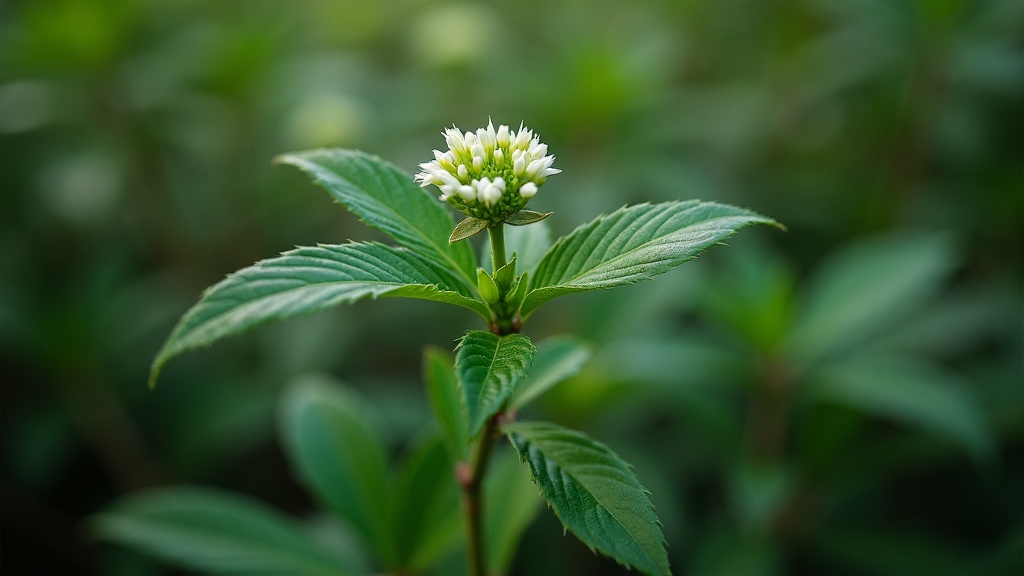
Creepinghemlock Guide: Safe Removal Tips
Read our creepinghemlock guide to learn safe removal tips, identification traits, and effective control methods for managing toxic weeds in your landscape.
Table of Contents
- Identifying Noxious Weeds
- Manual Removal Techniques
- Chemical Treatments
- Long-Term Monitoring
- Important Questions
- Control Method Comparison
- Practical Tips
Quick Summary
The creepinghemlock guide is a comprehensive resource for identifying and managing toxic weed infestations safely. This overview covers essential identification traits, mechanical removal techniques, and chemical control strategies to protect your landscape and local ecosystems from invasive spread.
Market Snapshot
- Two U.S. states highlight its regulatory status (New Mexico as noxious, Arizona as invasive) (U.S. Forest Service, 2024)[1]
- Three weeks between tillage operations are required for effective control (U.S. Forest Service, 2024)[1]
- A minimum tillage depth of 4 inches is needed to disrupt root systems (U.S. Forest Service, 2024)[1]
- A mulch depth of 4 to 6 inches is recommended to suppress germination (King County Noxious Weed Control Program, 2024)[2]
Introduction
Managing invasive plants requires diligence and proper technique. This creepinghemlock guide provides essential strategies for tackling toxic weeds before they dominate your property. Early intervention is critical for preserving native ecosystems and maintaining safe outdoor spaces. According to Kirt Gordon, Weed Specialist for the U.S. Forest Service Southwestern Region, ‘Early detection and rapid response are the most cost-effective strategies for managing poison hemlock before it spreads across rangelands and riparian areas’ (U.S. Forest Service, 2024)[1]. Whether you are dealing with a minor backyard patch or a larger infestation, understanding the biology of these plants is the first step toward eradication. The following sections outline proven methods for identification, physical extraction, and chemical intervention to ensure your landscape remains healthy and secure.
Identifying Noxious Weeds in the Landscape
Accurate identification is the foundation of any successful management plan outlined in this creepinghemlock guide. Misidentifying a toxic plant can lead to ineffective treatments and unnecessary exposure to harmful compounds. A true noxious weed often displays distinct physical characteristics during its various growth stages, making it easier to spot if you know what to look for. In the early seedling phase, the plant forms a low-lying rosette stage with finely divided, fern-like leaves that emit a distinct, unpleasant odor when crushed.
As the season progresses, the plant bolts upward, developing hollow, purple-spotted stems that can reach several feet in height. Recognizing these traits is vital because regulatory agencies take these species seriously. For instance, recent data highlights its official regulatory status in two U.S. states (New Mexico as noxious, Arizona as invasive) in the Southwest (U.S. Forest Service, 2024)[1]. This creepinghemlock guide emphasizes that catching the plant before it flowers prevents the massive production of seeds. Once the white, umbrella-shaped flower clusters appear, the plant has already invested significant energy into reproduction. By learning to identify the invasive species early, property owners can intervene before the problem escalates into a widespread ecological threat.
Manual Removal and Mechanical Control
Physical extraction remains one of the most reliable methods for small-scale weed control. When dealing with a limited infestation, manual removal ensures that the entire plant is eliminated without introducing chemicals into the soil. The most critical step in this process is extracting the deep taproot, which stores the energy the plant needs to survive and regrow. If the root is severed and left in the ground, the weed will quickly sprout new shoots.
For larger areas, mechanical cultivation can be highly effective if timed correctly. Research indicates that effective programs require three weeks between tillage operations to consistently disrupt the rosette and early bolt stages (U.S. Forest Service, 2024)[1]. Furthermore, operators must ensure a minimum tillage depth of 4 inches to adequately sever the root system and bury emerging seedlings (U.S. Forest Service, 2024)[1]. Safety is paramount during these physical interventions. Workers must always wear protective clothing, including heavy gloves, long sleeves, and eye protection, to prevent skin contact with toxic alkaloids. Following this creepinghemlock guide carefully minimizes the risk of accidental exposure while maximizing the physical disruption of the weed’s life cycle.
Chemical Treatments and Herbicide Applications
When physical methods are impractical due to the sheer size of the infestation, targeted chemical interventions become necessary. Applying foliar herbicides is a common approach for managing extensive patches that have moved beyond the seedling phase. The effectiveness of these treatments depends heavily on the timing of the application and the specific growth stages of the target plants. Systemic herbicides are generally preferred because they are absorbed through the leaves and translocated down into the root system, ensuring complete eradication.
Timing is everything when utilizing chemical controls. Applications are most successful when applied during the active growth phase, well before the plant begins to flower and set seed. For those seeking detailed, science-backed protocols, the University of California integrated pest management guidelines offer comprehensive recommendations on product selection and application rates. It is also crucial to allow sufficient time for the chemicals to work. Experts advise waiting at least two weeks before cutting or mowing treated plants, giving the systemic compounds enough time to reach and destroy the taproot. Adhering to this creepinghemlock guide protocol ensures that the chemical treatment achieves maximum efficacy without wasting resources on premature mechanical disruption.
Long-Term Monitoring and Site Restoration
Eradicating the visible plants is only half the battle; managing the soil seedbank is essential for long-term success. Because these plants produce thousands of seeds that can remain viable in the soil for years, continuous monitoring is mandatory. As Sasha Shaw, Noxious Weed Specialist for King County, notes, ‘Because poison hemlock seeds can germinate throughout the growing season, successful control almost always requires follow-up treatments and monitoring for several years’ (King County Noxious Weed Control Program, 2024)[2]. This ongoing vigilance is a core component of any thorough creepinghemlock guide.
Once the initial clearance is complete, restoring the site prevents new weeds from taking over bare ground. Applying a thick layer of organic mulch helps block sunlight and suppress the germination of remaining seeds. Additionally, property owners must handle the resulting plant debris with extreme care. The University of California Statewide IPM Program warns, ‘Never burn poison hemlock plants or plant debris because burning may release toxins into the air and create a serious inhalation hazard’ (University of California Statewide IPM Program, 2024)[3]. Instead, bag the material securely and dispose of it in the trash. After working in the garden, be sure to wash your hands thoroughly before handling delicate items, following proper jewelry care and cleaning instructions to prevent damage from soil acids and plant residues.
Important Questions About the creepinghemlock guide
Is it safe to compost removed weeds?
How deep must I dig to remove the taproot?
Can I use organic methods for weed control?
What time of year is best for treatment?
Control Method Comparison
Selecting the right approach depends on the size of the infestation, the terrain, and your environmental preferences. This creepinghemlock guide compares the three primary strategies to help you make an informed decision for your property.
| Method | Best For | Pros | Cons |
|---|---|---|---|
| Manual Removal | Small patches, sensitive areas | No chemicals, immediate results | Labor-intensive, requires deep digging |
| Chemical Treatment | Large infestations, rangelands | Highly effective, less physical labor | Requires careful timing, environmental risks |
| Mechanical Tillage | Cropland, open flat terrain | Disrupts large areas quickly | Can spread seeds if done late, soil erosion risk |
Practical Tips
Implementing a few strategic habits can significantly improve your success rate when managing these invasive plants. First, always inspect your property after heavy rains, as moist soil conditions make it much easier to spot new seedlings and extract mature roots. Second, coordinate with your neighbors; because seeds easily travel via wind, water, and wildlife, a collaborative community effort prevents re-infestation from adjacent lots.
When working in the field, keep a dedicated set of tools and wash them thoroughly before moving to a clean area of your yard to avoid transferring seeds. If you enjoy spending long hours restoring your landscape, you might appreciate wearing comfortable, nature-inspired accessories. Browsing garden motif jewelry collections can provide a nice aesthetic touch to your outdoor lifestyle, provided you remove them before handling toxic plants. Finally, maintain a detailed log of your treatment dates and locations, ensuring you never miss a critical follow-up inspection during the growing season.
For more about Article creation guide, see get expert advice on article creation guide.
Before You Go
Successfully managing toxic weeds requires patience, proper safety gear, and consistent follow-up over several years. By applying the strategies outlined in this creepinghemlock guide, you can protect your landscape and local ecosystems from invasive spread. Remember to prioritize early detection and always handle plant debris responsibly to prevent accidental exposure. For more tips on maintaining a beautiful and safe outdoor environment, explore our outdoor lifestyle collection for accessories that complement your gardening adventures.
Useful Resources
- Field Guide for Managing Poison Hemlock in the Southwest. U.S. Forest Service, Southwestern Region.
https://www.fs.usda.gov/media/17413 - Poison hemlock identification and control. King County Noxious Weed Control Program.
https://kingcounty.gov/en/dept/dnrp/nature-recreation/environment-ecology-conservation/noxious-weeds/identification-control/poison-hemlock - Poison Hemlock / Home and Landscape / UC Statewide IPM Program. University of California Statewide IPM Program.
https://ipm.ucanr.edu/home-and-landscape/poison-hemlock/