
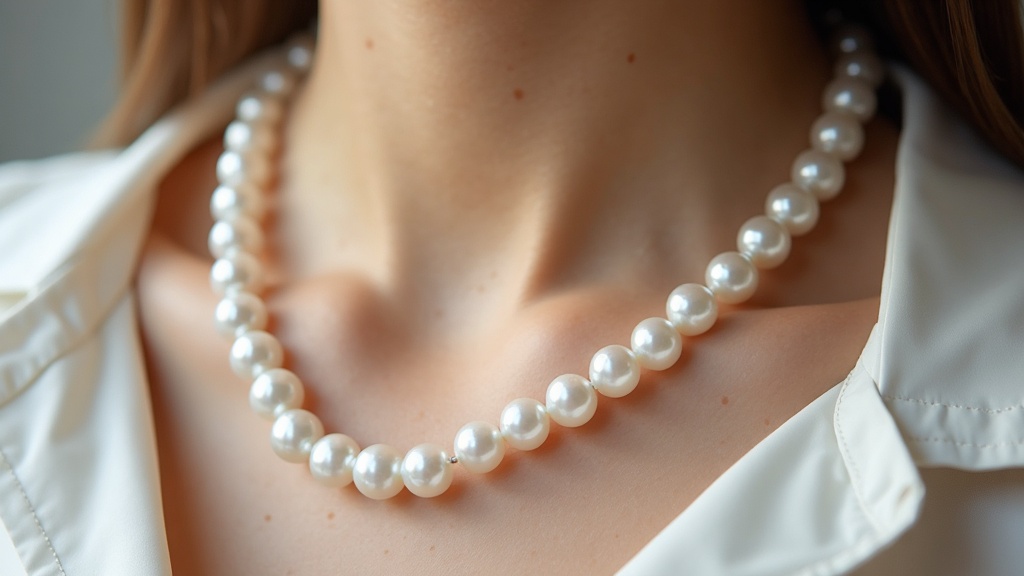
Freshwater Pearl Necklace Guide: Buying and Styling Tips
Read our complete freshwater pearl necklace guide to discover grading factors, popular sizes, and styling tips for elegant jewelry pieces that last a lifetime.
Table of Contents
- Quick Summary
- Freshwater Pearl Necklace Guide in Context
- Introduction
- Understanding Pearl Grading and Quality
- Choosing the Right Size and Shape
- Selecting the Perfect Necklace Length
- Caring for Your Freshwater Pearl Jewelry
- Questions from Our Readers
- Comparing Pearl Varieties
- Practical Tips for Buyers and Wearers
- Final Thoughts
- Further Reading
Quick Summary
This freshwater pearl necklace guide is a comprehensive resource detailing the selection, grading, and maintenance of cultured freshwater pearl jewelry. This overview covers essential value factors like luster, nacre quality, and shape, helping buyers confidently choose the perfect strand for their personal style and budget.
Freshwater Pearl Necklace Guide in Context
- There are 7 main value factors used in pearl grading, including size, shape, color, luster, surface quality, nacre quality, and matching (Pearl Paradise, 2026)[1].
- Freshwater pearl necklaces measuring 7.5-8 mm are described as the most popular size range for everyday wear (Pearl Paradise, 2026)[1].
- The most popular pearl necklace lengths are 16 inches and 18 inches, offering versatile styling options (Pearl Paradise, 2026)[1].
Introduction
A comprehensive freshwater pearl necklace guide is essential for anyone looking to invest in timeless, elegant jewelry. Cultured freshwater pearls offer a beautiful, accessible alternative to their saltwater counterparts, boasting unique shapes and a deep, radiant shimmer. Whether you are purchasing your first strand or adding to a growing collection, understanding the nuances of pearl quality ensures you make a confident choice.
This freshwater pearl necklace guide explores the critical elements of pearl evaluation, from luster and nacre thickness to the ideal sizes and lengths for different necklines. We will also compare freshwater options with other popular varieties and provide actionable care instructions to protect your investment. By the end of this read, you will possess the knowledge needed to select a stunning piece that complements your wardrobe and stands the test of time.
Understanding Pearl Grading and Quality
Evaluating the quality of any pearl strand requires a careful examination of several distinct visual and structural characteristics. According to industry standards, there are specific metrics used to determine the overall value and beauty of these gems. As noted by experts, “In pearl grading, there are seven value factors: size, shape, color, luster, surface quality, nacre quality and matching” (Pearl Paradise, 2026)[1].
Luster is arguably the most critical of these factors. It refers to the sharp, bright reflection of light on the surface of the gem. High-quality pearls exhibit a mirror-like shine that gives them their signature glow. Surface quality is another vital metric; while perfectly flawless pearls are exceedingly rare, minor blemishes are common and often do not detract from the overall beauty if the luster is strong.
Nacre and Durability
Nacre quality dictates both the durability and the visual depth of the jewelry. When comparing different types, it is helpful to know that “Freshwater pearls have a thicker nacre than saltwater pearls, and therefore may have more depth of shimmer to them” (Market Square Jewelers, 2026)[3]. This thicker nacre layer makes them highly durable for daily wear, resisting chipping and peeling far better than thinner-coated alternatives. Matching is the final crucial element, ensuring the gems are uniform in color and size across the entire piece.
Choosing the Right Size and Shape
The physical dimensions and geometric profile of the gems dramatically influence both the visual impact and the price of the necklace. Size is typically measured in millimeters, and selecting the right diameter depends heavily on personal style. Data indicates that freshwater pearl necklaces measuring 7.5-8 mm are described as the most popular size range for everyday wear (Pearl Paradise, 2026)[1]. This versatile size sits elegantly on the collarbone without overwhelming the wearer.
For those seeking a bolder statement, larger options are available. The most popular and most wearable pearl size range for a dramatic effect is listed as 10-14 mm (Pearl Paradise, 2026)[1]. Shape is equally important in the selection process. While perfectly spherical gems command the highest premiums, they are not the only beautiful option. “The gold standard when it comes to pearl shapes is, of course, perfectly round” (Pearls of Joy, 2026)[4].
However, perfectly round specimens are quite rare in freshwater cultivation. Instead, freshwater pearls from lakes and rivers are most often baroque in shape (Jewelers of America, 2026)[2]. Baroque shapes are irregular and entirely unique. Many jewelry enthusiasts specifically seek out baroque strands because no two necklaces are exactly alike, offering a distinct, organic aesthetic that celebrates the natural origins of the gems.
Selecting the Perfect Necklace Length
The length of a pearl strand dictates how it frames the face and interacts with different clothing necklines. Choosing the correct measurement ensures the jewelry sits comfortably and enhances your overall silhouette. Industry data shows that the most popular pearl necklace lengths are 16 inches and 18 inches (Pearl Paradise, 2026)[1]. These two lengths offer the most versatility for everyday wear and professional environments.
A 16-inch strand, often referred to as a choker length, sits snugly at the base of the neck. This style is highly traditional and pairs beautifully with V-neck blouses and scoop necks. Conversely, an 18-inch strand, known as a princess length, rests slightly lower, just below the collarbone. This is widely considered the most universally flattering length, as it works well with almost any outfit.
Beyond these standard measurements, longer options provide different styling opportunities. A matinee length, typically ranging from 20 to 24 inches, falls at the top of the bust and is excellent for business casual attire. When browsing a curated selection of pearl jewelry, considering your existing wardrobe is crucial. If you frequently wear high-necked garments, a longer matinee strand will provide the best visual contrast. For open necklines, the classic 16 or 18-inch lengths remain the undisputed champions of timeless elegance.
Caring for Your Freshwater Pearl Jewelry
Proper maintenance is essential to preserve the luster and structural integrity of organic gemstones over time. Unlike mined minerals, pearls are created by living organisms, making them inherently softer and more susceptible to damage from chemicals and abrasion. To keep your jewelry looking its best, it is vital to follow a few fundamental care rules.
The golden rule of pearl care is to put them on last and take them off first. This means your jewelry should be the final accessory you add after applying makeup, perfume, and hairspray. The chemicals found in everyday cosmetics can dull the nacre and degrade the silk thread used for stringing. When removing your necklace at the end of the day, gently wipe each gem with a soft, lint-free cloth to remove natural skin oils.
Storage is another critical aspect of maintenance. Never store your strand in a sealed plastic bag, as the organic material needs a slight amount of moisture to prevent cracking. Keep them separate from harder gemstones like diamonds, which can easily scratch the delicate surface. For those interested in the broader scientific context, reading an encyclopedic overview of pearl formation can provide deeper insight into why these organic gems require such specific environmental conditions. Finally, have your necklace professionally restrung every one to two years if you wear it frequently.
Questions from Our Readers
Are freshwater pearls real pearls?
Yes, they are absolutely real. The term “freshwater” simply refers to the environment in which they are cultivated, such as lakes and rivers, rather than the ocean. They are formed by mussels and are composed of solid nacre, which gives them excellent durability and a beautiful, deep luster. While they are often more affordable than saltwater varieties, they are genuine, organic gemstones created through the same natural biological processes.
How can I tell if my pearls are of good quality?
You can evaluate quality by examining the luster, surface, and shape. High-quality specimens will have a bright, sharp reflection on their surface, almost like a mirror. While minor blemishes are normal, the surface should be relatively clean. The shape also plays a role; perfectly round gems are the rarest and most valuable, though symmetrical baroque shapes are also highly prized. Finally, check the matching across the strand to ensure uniform color and size.
Can I wear my pearl necklace every day?
Yes, you can wear them daily, provided you take proper care of them. Because they have a thick nacre layer, they are quite durable and can withstand regular use. However, you must protect them from harsh chemicals, perfumes, and excessive sweat. Always wipe them down with a soft cloth after wearing them, and ensure they are the last thing you put on when getting dressed. Regular wear actually helps maintain their luster.
What is the best way to clean a pearl strand at home?
The safest way to clean them at home is by using a soft, damp, lint-free cloth. Gently wipe each individual gem to remove dirt and oils. Never submerge your necklace in water, and avoid using ultrasonic cleaners or any harsh chemical jewelry dips. Submerging the strand can weaken the silk thread and cause it to stretch or break. If the necklace is heavily soiled, it is best to take it to a professional jeweler.
Comparing Pearl Varieties
Comparing different pearl types helps buyers understand the unique advantages of each variety in the jewelry market. While all cultured pearls share a similar biological origin, their cultivation environments and mollusk species result in distinct visual and structural differences.
| Feature | Freshwater | Akoya | South Sea |
|---|---|---|---|
| Environment | Lakes and rivers | Ocean bays | Tropical oceans |
| Typical Shape | Baroque to round | Perfectly round | Round to drop |
| Nacre Thickness | Very thick | Thin to medium | Very thick |
| Price Point | Affordable | Moderate | Premium |
This freshwater pearl necklace guide highlights that freshwater options offer the best balance of durability and affordability, making them an excellent choice for both everyday wear and special occasions.
Practical Tips for Buyers and Wearers
Implementing a few strategic styling and purchasing habits can significantly enhance your experience with pearl jewelry. When shopping, always look for a strand that features individual knots between each gem. Knotting prevents the pearls from rubbing against one another, which protects their delicate nacre from friction damage. It also ensures that if the string breaks, you will only lose one gem rather than the entire necklace.
Pay close attention to the clasp mechanism. A high-quality clasp, such as a lobster claw or a secure box clasp, is essential for keeping your valuable jewelry safe. For a seamless look, some buyers opt for hidden clasps that blend into the strand. When it comes to styling, do not be afraid to mix your pearls with other metals and textures. Layering a classic white strand with a delicate gold chain creates a modern, eclectic aesthetic that breathes new life into traditional accessories. Finally, consider the undertones of your skin when selecting a color; warm skin tones look stunning with cream or peach hues, while cool skin tones are beautifully complemented by bright white or silver-lipped varieties. Exploring a detailed jewelry maintenance resource can also provide further insights into preserving these delicate accessories.
For more about Tradelivingreview guide, see explore tradelivingreview guide in depth.
Final Thoughts on This Freshwater Pearl Necklace Guide
Selecting the perfect strand of jewelry is a deeply personal journey that blends aesthetic preference with an understanding of organic gemology. By focusing on luster, nacre quality, and proper sizing, you can find a piece that offers both timeless elegance and lasting durability. This freshwater pearl necklace guide has equipped you with the essential knowledge to evaluate quality and care for your investment properly. Ready to find your perfect match? Browse our exclusive collection of freshwater pearl necklaces to discover stunning, hand-knotted strands crafted for everyday elegance.
Further Reading
- Pearl Necklaces: The Expert How-to Guide on Selection. Pearl Paradise.
https://www.pearlparadise.com/pages/pearl-necklaces - Pearl Buying Guide. Jewelers of America.
https://www.jewelers.org/buying-jewelry/jewelry-buying-guides/pearl-buying-guide - Which Pearl Is Which: A Helpful Guide. Market Square Jewelers.
https://www.marketsquarejewelers.com/blogs/msj-handbook/which-pearl-is-which-a-helpful-guide - Pearl Shapes 101 – Official Buyer’s Guide. Pearls of Joy.
https://www.pearlsofjoy.com/pages/pearl-shapes