
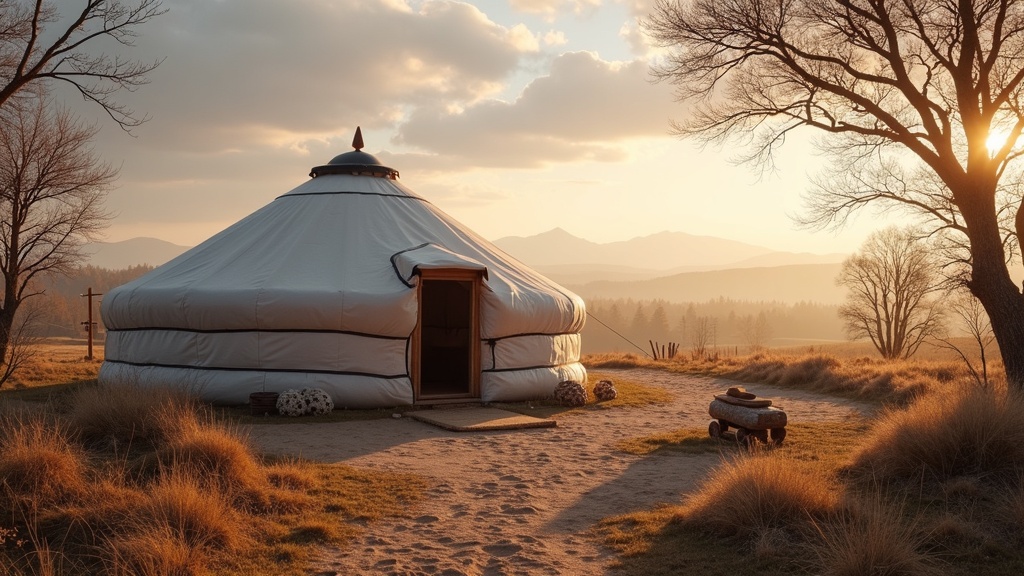
Traditional Yurt Design: Ancient Nomadic Engineering Explained
Explore the design and cultural significance of the traditional yurt, a portable dwelling that has sustained nomadic life for centuries. This article explains its structure, insulation, and modern relevance for yurt camping and glamping enthusiasts.
Table of Contents
- The Structure of a Traditional Yurt
- Insulation and Climate Adaptation
- Lifespan and Maintenance of a Yurt
- The Modern Appeal of Traditional Yurts
- Frequently Asked Questions
- Traditional Yurt vs. Modern Tent
- Practical Tips for Yurt Enthusiasts
- Final Thoughts on Traditional Yurt
- Further Reading
A traditional yurt is a circular, portable dwelling used by nomads in Central Asia for thousands of years. Its design combines a collapsible wooden lattice frame with felt insulation, making it quick to assemble and highly efficient in harsh climates. This article covers its construction, thermal properties, and growing popularity in modern glamping.
- Setup time: 30 minutes minimum setup time (Study.com, 2024)[1]
- Thermal conductivity: 0.0545 W/(m·K) thermal conductivity of loose yurt insulation (Thermtest, 2024)[2]
- Max lifespan: 100 years potential lifespan with ongoing maintenance (Groovy Yurts, 2024)[3]
- Price range: 2,790 to 18,950 dollars per yurt package (Groovy Yurts, 2024)[3]
A traditional yurt is far more than a simple tent. For thousands of years, nomadic families across the Mongolian steppes and Central Asia have relied on these circular, collapsible dwellings as their primary homes. The design is a masterpiece of practical engineering, balancing portability with comfort in some of the world’s most extreme climates. Today, the traditional yurt has found a new audience among glampers and outdoor enthusiasts who appreciate its spacious interior and cultural heritage. This article explores the structure, insulation, lifespan, and modern appeal of these remarkable shelters.
The Structure of a Traditional Yurt
The traditional yurt, known as a ger in Mongolia, is built around a simple but ingenious framework. The key components include a circular lattice wall (khana), a set of roof poles (uni), and a central roof ring (toono). The lattice is made from interlocking wooden slats that can expand and contract, allowing the entire structure to be folded flat for transport. The roof poles radiate from the top of the lattice wall to the roof ring, creating a dome-like shape. This design distributes weight evenly and provides exceptional stability against strong winds.
Caroline Humphrey, Emeritus Professor of Anthropology at the University of Cambridge, notes that the yurt is “not just a portable shelter but a sophisticated expression of nomadic life, engineered over centuries to be quickly dismantled, transported, and re‑erected without sacrificing comfort or social meaning.”[4] The assembly process is remarkably fast: a single family can set up a yurt in as little as 30 minutes minimum setup time, according to Study.com.[1] Once erected, the frame is covered with layers of felt made from sheep’s wool, which acts as the primary insulation. The felt is then secured with ropes or bands, and an outer waterproof cover is often added. The result is a sturdy, warm, and weather-resistant dwelling that can accommodate multiple occupants.
For those interested in experiencing this design firsthand, many modern glamping sites now offer traditional yurts for overnight stays. You can learn more about the cultural aspects of nomadic life by reading about cats reaction time, which relates to the animals often kept by nomadic families.
Insulation and Climate Adaptation
The insulation of a traditional yurt is one of its most impressive features. The felt layers, made from compressed sheep’s wool, provide excellent thermal resistance. According to Thermtest, the thermal conductivity of loose yurt insulation is 0.0545 W/(m·K), while compact insulation can range from 0.03 to 0.0405 W/(m·K).[2] This means the yurt can keep its occupants warm in freezing winter temperatures and cool during the summer heat.
The circular shape of the yurt also plays a crucial role in its climate adaptation. Anthropologist Jack Weatherford describes traditional yurts as “among the most efficient dwellings ever designed for harsh climates, using felt and wood to create a structure that can withstand extreme cold, fierce winds, and rapid seasonal migration.”[5] The low profile of the yurt reduces wind resistance, while the central roof ring allows smoke from the hearth to escape while letting in natural light. The design also minimizes heat loss by reducing the surface area exposed to the cold.
Researcher Tatiana Safonova adds that “the yurt’s circular plan and low profile are deliberate climatic adaptations: they minimize heat loss, distribute structural loads evenly, and create an interior that supports communal living around a central hearth.”[6] This integration of engineering and social function makes the yurt a truly sustainable dwelling.
Lifespan and Maintenance of a Yurt
A well-maintained traditional yurt can last for generations. According to Groovy Yurts, a traditional Mongolian yurt has a potential lifespan of 100 years with ongoing maintenance.[3] This longevity is due to the quality of materials and the care taken in construction. The wooden lattice and roof poles are typically made from durable hardwoods like birch or willow, while the felt layers can be repaired or replaced as needed. The frame is also treated with natural oils to protect it from moisture and rot.
Maintenance involves regular inspections of the lattice joints, ropes, and felt coverings. The felt may need to be beaten to remove dust and restore its insulating properties. In humid climates, the outer cover must be checked for mold or mildew. Despite this, the yurt is remarkably low-maintenance compared to modern houses. The ability to replace individual components – such as a single roof pole or a section of felt – means that the structure can be kept in excellent condition for decades.
For those considering a yurt for camping or glamping, understanding the maintenance requirements is essential. Many commercial yurt suppliers provide detailed care instructions. You can also find helpful resources on cats for adoption, which may interest those who want to adopt a pet suited to a nomadic lifestyle.
The Modern Appeal of Traditional Yurts
In recent years, the traditional yurt has experienced a resurgence in popularity, particularly in the glamping and eco-tourism sectors. The spacious interior, natural materials, and connection to nature make it an attractive alternative to conventional tents or cabins. Many glamping sites now offer yurts as luxury accommodations, complete with beds, stoves, and even electricity. The price range for a commercially available traditional Mongolian yurt is 2,790 to 18,950 dollars per yurt package, making it a viable investment for property owners or campground operators.[3]
The circular layout of the yurt also promotes a sense of community and togetherness. Unlike rectangular rooms that can feel compartmentalized, the open plan of a yurt encourages interaction among occupants. The central hearth serves as a focal point for cooking, heating, and socializing. Architect Ulziibayar Enkhbat notes that “a well‑made traditional ger can be assembled in under two hours by a single family, yet its design embeds generations of craftsmanship in the lattice walls, tension bands, and felt layers that make it both resilient and symbolic.”[7]
For those looking to incorporate yurt living into their camping or glamping experiences, companies like Dragon Yurts offer specialized products and insights for yurt enthusiasts. The modern yurt is not just a nostalgic nod to the past; it is a practical, sustainable housing option that continues to evolve.
Important Questions About Traditional Yurt
How long does it take to set up a traditional yurt?
A traditional yurt can be set up in as little as 30 minutes minimum setup time by an experienced family, according to Study.com (2024).[1] However, for beginners, the process may take up to three hours. The speed depends on the size of the yurt and the number of people assisting. The lattice wall expands quickly, and the roof poles are inserted into the central ring one by one. Once the frame is up, the felt and outer covers are laid over the structure and secured with ropes.
What materials are used to build a traditional yurt?
The primary materials are wood and felt. The lattice wall, roof poles, and central ring are made from hardwoods like birch or willow. The felt is made from compressed sheep’s wool, which provides excellent insulation. An outer waterproof cover, often made from canvas or synthetic fabric, protects the felt from rain and snow. The ropes and bands used to secure the structure are typically made from natural fibers like horsehair or wool, though modern yurts may use synthetic materials for added durability.
Can a traditional yurt withstand extreme weather?
Yes, traditional yurts are designed to withstand extreme conditions. The circular shape and low profile reduce wind resistance, while the felt insulation keeps the interior warm in winter and cool in summer. The thermal conductivity of compact yurt insulation ranges from 0.03 to 0.0405 W/(m·K), making it highly effective.[2] The lattice frame is flexible, allowing the yurt to sway slightly in strong winds without collapsing. With proper maintenance, a yurt can last for decades in harsh climates.
How many people can sleep in a traditional yurt?
A traditional yurt can accommodate 5 to 15 persons per yurt, depending on its size.[8] Smaller yurts, often used by nomadic families, typically house around 5 people. Larger yurts, such as those used for community gatherings or modern glamping, can sleep up to 15 people. The open floor plan allows for flexible sleeping arrangements, with mattresses or bedding placed around the central hearth. This makes the yurt an excellent option for group camping or family vacations.
Traditional Yurt vs. Modern Tent
When comparing a traditional yurt to a modern tent, several key differences emerge. The yurt offers superior insulation, durability, and interior space, while a tent is more portable and cheaper. The following table highlights these differences:
| Feature | Traditional Yurt | Modern Tent |
|---|---|---|
| Setup time | 30 minutes to 3 hours | 5 to 30 minutes |
| Insulation | Excellent (felt layers) | Minimal (single layer) |
| Lifespan | Up to 100 years | 5 to 15 years |
| Capacity | 5 to 15 people | 2 to 8 people |
| Price | $2,790 to $18,950 | $50 to $1,000 |
| Portability | Moderate (requires vehicle) | High (backpackable) |
For glamping enthusiasts, the traditional yurt provides a more comfortable and immersive experience, while a tent remains the best choice for lightweight backpacking trips.
Practical Tips for Yurt Enthusiasts
If you are considering buying or staying in a traditional yurt, here are some actionable tips:
- Choose the right size: Consider how many people will use the yurt regularly. A 5-person yurt is ideal for a family, while larger models work for groups or commercial glamping.
- Invest in quality insulation: Ensure the felt layers are thick and well-compressed. The thermal conductivity of loose yurt insulation (0.0545 W/(m·K)) is good, but compact insulation (0.03–0.0405 W/(m·K)) is better for cold climates.[2]
- Plan for maintenance: Regularly inspect the wooden frame for cracks or rot, and replace felt layers as needed. A well-maintained yurt can last 100 years.[3]
- Consider a platform: Elevate the yurt on a wooden platform to protect it from ground moisture and improve airflow. This also makes the floor more comfortable.
- Learn from experts: Many glamping companies offer workshops on yurt assembly and care. Joining a local yurt community can provide valuable hands-on experience.
Final Thoughts on Traditional Yurt
The traditional yurt is a testament to human ingenuity, combining portability, comfort, and cultural significance in a single design. From its rapid setup time of 30 minutes to its potential 100-year lifespan, the yurt remains a practical and sustainable housing option. Whether you are a glamping enthusiast or a history buff, the yurt offers a unique way to connect with nature and nomadic traditions. To explore more about yurt camping and find the perfect model for your needs, visit our cats for adoption resource page for related lifestyle tips.
Further Reading
- Yurt Setup Time. Study.com.
https://study.com/academy/lesson/what-is-a-yurt-definition-history.html - Key Characteristics and Thermal Properties of Yurts. Thermtest.
https://thermtest.com/key-characteristics-and-thermal-properties-of-yurts - 22 Things Everyone Should Know About Mongolian Yurts. Groovy Yurts.
https://www.groovyyurts.com/blog/22-things-everyone-should-know-about-mongolian-yurts - Nomadic Domestic Architecture in Inner Asia. Caroline Humphrey, University of Cambridge.
https://www.socanth.cam.ac.uk/articles/nomadic-domestic-architecture-inner-asia - Lecture on Mongolian Nomadic Culture. Jack Weatherford, Library of Congress.
https://www.loc.gov/item/webcast-10478 - Contemporary Relevance of Nomadic Dwellings in Siberia. Tatiana Safonova, NDSU.
https://www.ndsu.edu/architecture/research/nomadic-dwellings-siberia - Preserving Ger Craftsmanship in Modern Mongolia. UNESCO.
https://www.unesco.org/en/articles/preserving-mongolian-ger-traditions - Yurt. Wikipedia.
https://en.wikipedia.org/wiki/Yurt
