Creepinghemlock Guide: Identification and Control
Discover our comprehensive creepinghemlock guide for identifying and managing toxic weed infestations safely. Learn about effective eradication methods today.
Table of Contents
- Quick Summary
- Quick Stats: creepinghemlock guide
- Introduction
- Identifying the Plant
- Mechanical Control Methods
- Chemical Treatment Strategies
- Prevention and Monitoring
- Your Most Common Questions
- Comparing Eradication Approaches
- Practical Tips
- Before You Go
Quick Summary
A creepinghemlock guide is a structured framework for identifying, managing, and eradicating toxic invasive weed populations in residential and wildland areas. This resource outlines mechanical and chemical interventions to safely reduce infestations while protecting local ecosystems from harmful botanical spread.
Quick Stats: creepinghemlock guide
- Repeated mowing requires 3-5 years of mowing likely needed to reduce seed production (U.S. Forest Service, 2024)[1].
- Tillage management recommends 3 weeks between tillage passes during the growing season (U.S. Forest Service, 2024)[1].
- Effective soil disruption requires a minimum of 4 inches in recommended tillage depth (U.S. Forest Service, 2024)[1].
- Herbicide timing offers 2 seasonal windows: spring or fall during the rosette stage (U.S. Forest Service, 2024)[1].
Introduction
When managing toxic vegetation, a reliable creepinghemlock guide provides the foundational knowledge needed to protect landscapes and wildlife. Poison hemlock (Conium maculatum) is a highly invasive, noxious weed that poses severe risks to humans and animals. Because it spreads rapidly through prolific seed production, early detection and consistent eradication efforts are critical. This article explores the core principles of weed management, from accurate botanical identification to targeted mechanical and chemical interventions. We will also discuss how monitoring local ecosystems can prevent future outbreaks. Whether you are maintaining a small garden or managing large tracts of land, understanding these pest control techniques ensures a safer environment. By following established protocols, property owners can effectively reclaim their land and restore native botanical diversity.
Identifying the Plant for Effective Management
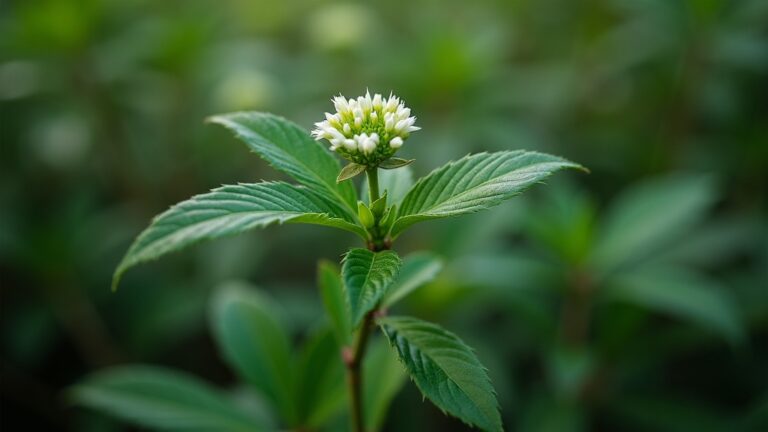
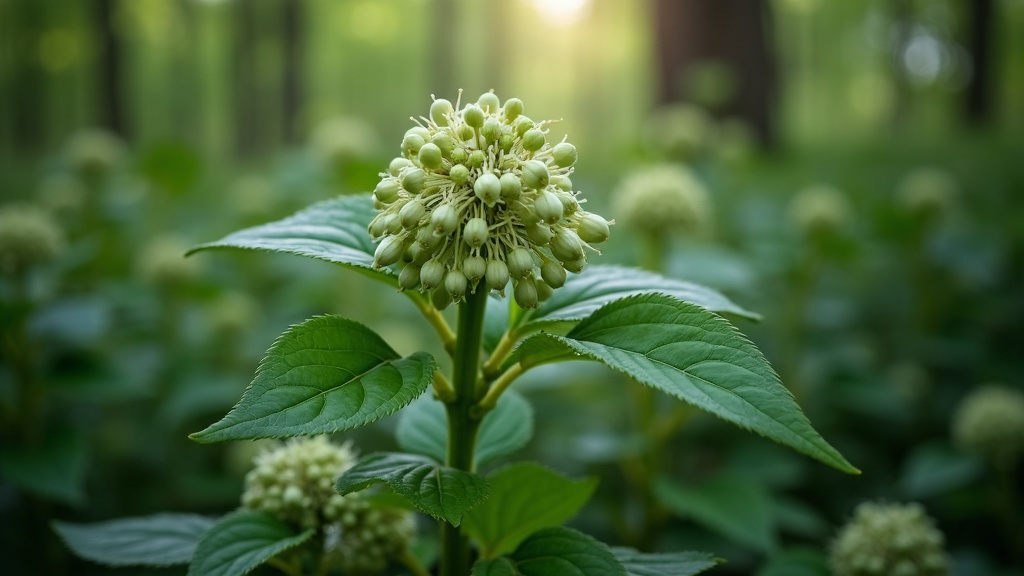
Accurate botanical identification is the first and most critical step in any successful eradication program. Poison hemlock is a biennial plant that forms a low-growing rosette stage in its first year before bolting into a tall, branching stem in its second year. The foliage resembles fern leaves, while the hollow stems feature distinct purple blotches. A thorough creepinghemlock guide emphasizes distinguishing this toxic plant from native look-alikes, such as wild carrot or cow parsnip, to avoid accidental removal of beneficial species.
Because the plant is highly poisonous, proper identification prevents dangerous exposure. Land managers should consult county noxious weed control identification resources to verify visual characteristics before taking action. As the U.S. Forest Service advises, professionals must “detect, map, and eradicate new populations of poison hemlock as early as possible” (U.S. Forest Service, 2024)[1]. Mapping the exact locations of these invasive species helps track their spread over time and allows for targeted treatment rather than broad, unnecessary applications.
Mechanical Strategies for Your creepinghemlock guide
Physical removal and disruption techniques offer a non-chemical approach to reducing invasive plant populations. For localized outbreaks, manual extraction is highly effective. The University of California Statewide IPM Program notes that “hand removal is recommended for small infestations” (University of California Statewide IPM Program, 2025)[2]. When pulling the weed, workers must wear protective gloves and long sleeves to prevent skin contact with toxic sap.
Extracting the entire root system is vital for long-term success. The King County Department of Natural Resources and Parks instructs that “for any growth stage, try to remove entire root” (King County Department of Natural Resources and Parks, 2025)[3]. If the taproot breaks and remains in the soil, the plant will quickly regenerate. For larger areas, mechanical tillage disrupts the root system. Repeated mowing is another option, though it requires significant commitment. Mowing prevents the plant from reaching seed set, gradually depleting its energy reserves over several seasons. Combining these mechanical methods ensures that the weed management strategy addresses both current growth and future germination.
Chemical Treatment Strategies
Herbicide applications provide a scalable solution for large-scale infestations where manual labor is impractical. Timing is the most crucial factor in chemical pest control. Applications are most effective when the plant is in its rosette stage, which typically occurs during two distinct seasonal windows in the spring or fall. Treating the weed before it begins bolting ensures the chemicals are absorbed directly into the root system rather than being wasted on tall, fibrous stalks.
When integrating chemical and mechanical methods, sequencing is important. If plants have already bolted, they should be clipped close to the ground in the spring before seed set, and the process repeated in late summer to prevent reproduction. When using systemic herbicides, patience is required. Operators should wait at least two weeks before cutting any treated plants, giving the active ingredients sufficient time to translocate to the roots. Application rates must strictly follow label instructions, typically ranging between one and two pounds of active ingredient per acre, to minimize environmental impact while ensuring effective eradication of the noxious weed.
Prevention and Long-Term Monitoring
Sustained vigilance and proactive land management are required to prevent the reestablishment of noxious weeds. Poison hemlock produces thousands of seeds that can remain viable in the soil seed bank for several years. Consequently, a single season of treatment is rarely sufficient. Property owners must revisit treated sites regularly to identify and remove new seedlings before they mature. This ongoing monitoring is a core component of any comprehensive creepinghemlock guide.
Preventing the introduction of new seeds is equally important. Seeds often spread via waterways, contaminated soil, or agricultural equipment. Cleaning machinery after working in infested areas prevents the accidental transport of seeds to clean zones. Additionally, promoting the growth of native, competitive vegetation helps shade out hemlock seedlings and reduces the available space for invasive species to take hold. By maintaining a healthy, dense plant community, landowners create a natural biological barrier that supports long-term ecological balance and reduces the need for continuous chemical interventions.
Your Most Common Questions
Is poison hemlock dangerous to pets and livestock?
Yes, all parts of the plant are highly toxic to humans, pets, and livestock. Ingestion can cause severe neurological symptoms, respiratory failure, and even death. The toxicity remains present even when the plant is dried in hay. Pet owners and farmers must ensure that animals do not graze in areas where this noxious weed is present. If you suspect an animal has consumed the plant, seek immediate veterinary care. Keeping pastures and yards clear of this botanical hazard is essential for animal safety.
How long does it take to fully eradicate an infestation?
Eradication is a multi-year process due to the longevity of the soil seed bank. Seeds can remain viable for up to five years, meaning new seedlings will emerge long after the initial adult plants are removed. Consistent monitoring and repeated treatments over three to five years are typically required to fully deplete the seed reserve. Skipping even a single season of management can allow the population to rebound rapidly, undoing previous eradication efforts and requiring the process to start over.
Can I compost removed hemlock plants?
No, you should never compost this toxic plant. Standard residential compost piles do not reach the high temperatures required to break down the toxic alkaloids or destroy viable seeds. If composted, the toxins can persist and contaminate the finished compost, which could then be spread across your garden. Furthermore, any mature seeds present on the plant will survive the composting process and germinate when the compost is applied. Always bag removed plants in heavy-duty plastic and dispose of them in the municipal landfill.
What is the best time of year to treat the weed?
The optimal time for treatment is during the rosette stage, which occurs in early spring or late fall. During these cooler periods, the plant is actively growing low to the ground, making it highly susceptible to both manual extraction and systemic herbicides. Treating the weed before it bolts and produces a tall flowering stalk ensures that control methods target the deep taproot. Late summer treatments are also useful for preventing seed set on any late-bolting plants that survived the initial spring management.
Comparing Eradication Approaches
Selecting the right management strategy depends on the size of the infestation, available resources, and environmental constraints. Each method offers distinct advantages and limitations when executing a creepinghemlock guide protocol.
| Method | Best For | Key Advantage | Main Limitation |
|---|---|---|---|
| Hand Pulling | Small, localized patches | Removes entire root system | Labor-intensive and slow |
| Mowing | Large, open fields | Prevents seed production | Requires 3-5 years of repetition |
| Herbicide | Widespread infestations | Highly effective on rosettes | Chemical exposure risks |
| Tillage | Agricultural or bare soil | Disrupts deep taproots | Causes soil erosion |
Practical Tips for Landowners
Executing a safe and effective weed management plan requires careful preparation and ongoing vigilance. Always wear heavy-duty gloves, long sleeves, and eye protection when handling the plant, as the sap can cause severe skin irritation and respiratory issues if inhaled. After working in infested areas, wash your clothing separately and thoroughly clean all tools to prevent cross-contamination.
If you have outdoor pets, keep them away from treated zones. This is especially important to ensure they are not exposed to environmental toxins, which can cause severe health issues. Furthermore, secure your property at night to prevent pets from wandering into hazardous, freshly sprayed areas. Finally, document your treatment dates and locations in a property journal to track progress and schedule follow-up visits efficiently.
Before You Go
Successfully managing toxic invasive plants requires patience, accurate identification, and consistent follow-through. By applying the strategies outlined in this creepinghemlock guide, property owners can protect their land, pets, and local ecosystems from the dangers of poison hemlock. Remember that long-term monitoring is just as important as the initial removal effort. For more insights on maintaining a safe and healthy outdoor environment, explore more helpful resources on land management and ecological conservation.
Further Reading
- Field Guide for Managing Poison Hemlock in the Southwest. U.S. Forest Service.
https://www.fs.usda.gov/media/17413 - Poison Hemlock / Home and Landscape. University of California Statewide IPM Program.
https://ipm.ucanr.edu/home-and-landscape/poison-hemlock/ - Poison hemlock identification and control. King County Department of Natural Resources and Parks.
https://kingcounty.gov/en/dept/dnrp/nature-recreation/environment-ecology-conservation/noxious-weeds/identification-control/poison-hemlock
For more about Article creation guide, see Article Creation Guide.