
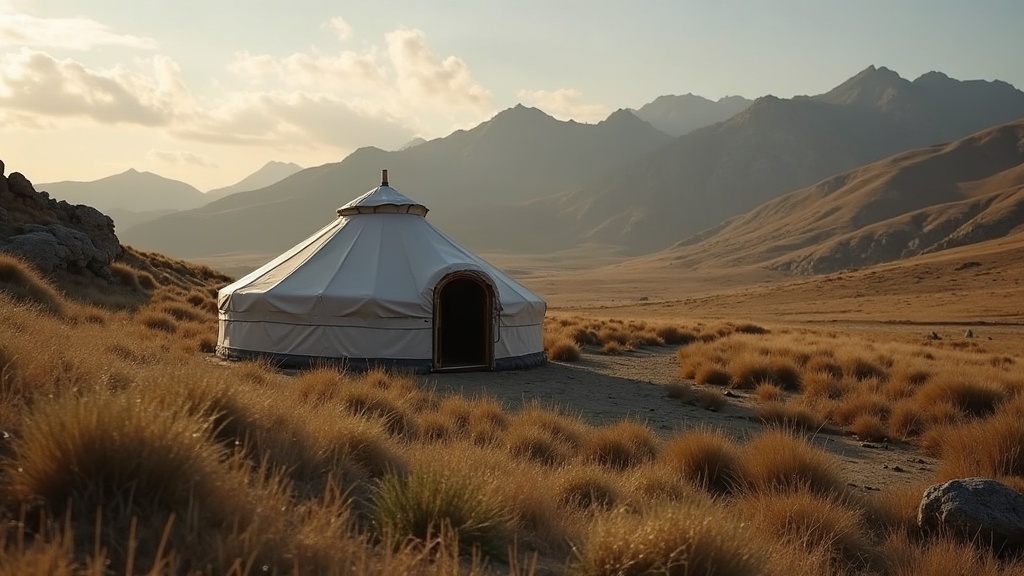
Dragonyurts Guide for Outdoor Retreats
Read our comprehensive dragonyurts guide to learn about lattice walls, insulation layers, and tension bands for your next off-grid outdoor retreat setup now.
Table of Contents
- Structural Assembly in a Dragonyurts Guide
- Site Preparation and Foundation Options
- Fabric Layering and Insulation Strategies
- Ongoing Maintenance and Climate Control
- Important Questions About the Dragonyurts Guide
- Foundation Approaches Compared
- Practical Tips for Off-Grid Living
- Before You Go
Article Snapshot
A dragonyurts guide is a comprehensive instructional framework for assembling circular tension-based shelters. It covers structural engineering, fabric layering, and site preparation to ensure durability in diverse weather conditions while providing a comfortable off-grid living environment for long-term outdoor use.
By the Numbers
The dragonyurts guide provides the essential blueprint for constructing resilient circular shelters. Whether you are planning a weekend retreat or a permanent off-grid residence, understanding the mechanics of lattice walls and roof poles is critical. These structures rely on a delicate balance of tension and compression, requiring precise assembly to withstand high winds and heavy snow loads. This article explores the core principles of shelter construction, from selecting the right insulation layer to maintaining the outer canvas. We will break down the assembly process, examine maintenance schedules, and compare different foundation approaches. By following a structured dragonyurts guide, builders can create a secure, weather-resistant space that harmonizes with the natural environment. The following sections detail the engineering requirements and practical steps needed to bring your architectural vision to life. Proper planning ensures your investment lasts for decades.
Structural Assembly in a Dragonyurts Guide
Every successful build begins with understanding the expanding lattice wall, a flexible wooden framework forming the vertical perimeter and dictating the overall diameter. Builders must carefully unfold the lattice sections and secure the overlapping joints using durable cordage. This lashing technique allows the wood to shift slightly under pressure without breaking.
Lattice Wall Expansion in a Dragonyurts Guide
Once the walls are standing, a continuous tension band wraps around the entire perimeter. This band is the most critical structural component, as it counteracts the outward thrust generated by the roof poles. A typical dragonyurts guide recommends a tension band capable of resisting at least 1.5 times the expected outward thrust of the roof poles in high winds (Silver Cat Jewelry, 2026)[1]. Without adequate tension, the roof structure will push the walls outward, leading to catastrophic collapse. The roof poles are then inserted into the crown ring at the apex and slotted into the top of the lattice walls. This creates a self-supporting conical roof that distributes weight evenly down to the foundation. Builders must ensure every pole is seated correctly before moving on to the fabric layers. The precision of this initial wooden framework determines the longevity and safety of the entire structure. Inspecting the wood for cracks before assembly prevents future weaknesses. Measuring the diagonal angles ensures the walls remain plumb, while applying a protective finish guards against moisture and insect damage.
Site Preparation and Foundation Options
Before erecting the walls, the site must be cleared of debris and graded for water runoff. A level surface prevents uneven stress on the tension band and keeps the door frame square. For temporary installations, a compacted gravel pad provides adequate drainage and stability.
Evaluating Ground Conditions
Proper site preparation ensures your dragonyurts setup remains dry, level, and secure against the elements, which is essential for any long-term off-grid setup (Trade Living Review, 2026)[2]. However, for semi-permanent installations, a dragonyurts guide strongly discourages direct ground contact and recommends a raised wooden platform or similar base for any setup longer than 3 months (Trade Living Review, 2026)[2]. A raised platform protects the bottom edge of the outer canvas from soil moisture and rot. It also creates a crawl space that improves air circulation beneath the floor, reducing condensation inside the living area. When constructing the deck, builders should use pressure-treated lumber for the joists and install a vapor barrier directly beneath the floorboards. This barrier prevents ground moisture from migrating upward into the insulation layer. The platform must be perfectly level, as even a slight tilt can cause the heavy roof structure to shift over time. Anchor points should be embedded into the foundation to secure the tension band and prevent the shelter from lifting during severe windstorms. Properly integrating the shelter with its foundation ensures the structure behaves as a single, unified system. This integration maintains geometric integrity against lateral forces. Selecting the right location also involves considering solar exposure and prevailing wind directions to maximize passive heating and natural ventilation.
Fabric Layering and Insulation Strategies
The shelter envelope consists of multiple fabric layers regulating the interior climate. The innermost layer is a lightweight decorative liner hiding the lattice framework and creating a finished aesthetic. Above this sits the crucial insulation layer, often constructed from reflective foil or recycled felt.
Managing Moisture and Temperature
A dragonyurts guide for four-season use commonly recommends at least 2 distinct fabric layers plus 1 insulation layer between the lattice and the outer canvas (Silver Cat Jewelry, 2026)[1]. This middle layer traps air and significantly reduces heat transfer, keeping the interior warm in winter and cool in summer. The outermost layer is a heavy-duty, UV-resistant canvas that sheds rain and blocks harsh sunlight. Many dragonyurts guide resources recommend at least a few centimeters of air gap, typically around 5 cm, between the insulation and outer canvas to allow moisture to escape and reduce condensation (Silver Cat Jewelry, 2026)[1]. This ventilation gap is essential because trapped moisture can lead to mold growth and fabric degradation. The canvas must be pulled taut over the roof poles and secured tightly at the base to prevent flapping in the wind. Seams should be double-stitched and treated with a waterproof sealant to ensure complete weatherproofing. Properly tensioning the fabric prevents water from pooling on the roof, which can add excessive weight and strain the wooden framework. These layers create an efficient thermal envelope minimizing energy use. Regular inspection ensures minor tears are repaired before compromising the barrier.
Ongoing Maintenance and Climate Control
Maintaining structural and fabric components requires consistent inspections. Comprehensive dragonyurts guide resources generally advise inspecting or retensioning the main tension band at least once every 6 months to maintain wall stability (Trade Living Review, 2026)[2]. As the wood dries and the fabric stretches, the tension band can loosen, requiring manual adjustment to keep the walls plumb.
Seasonal Inspection Routines
The wooden lattice and door frames also require periodic care to prevent weathering. A dragonyurts guide suggests applying a fresh coat of UV-resistant sealant or oil to exposed wooden lattice and door frames every 2 years to prevent drying and cracking (Trade Living Review, 2026)[2]. Climate control inside the shelter relies heavily on the crown vent at the roof apex. Off-grid resources typically recommend keeping the crown vent at least 10–20 percent open, even in winter, to manage humidity and reduce condensation (Silver Cat Jewelry, 2026)[1]. This continuous airflow allows warm, moist air from breathing and cooking to escape, preventing it from condensing on the cooler inner surfaces. In snowy climates, managing the roof load is critical to prevent fabric stress. Outdoor retreat manuals often recommend clearing roof snow loads whenever accumulation exceeds about 10 centimeters to prevent excess fabric stress and moisture retention (Cat Karma Creations, 2026)[3]. Using a soft-bristled roof rake prevents damage to the outer canvas while safely removing the heavy snow. Additionally, maintaining the exterior canvas preserves its waterproof coating. Maintenance guidance often advises a full exterior canvas wash at least once every 12 months to preserve the waterproof coating (Trade Living Review, 2026)[2]. Trimming surrounding vegetation prevents branches from scraping the canvas and reduces pest habitats.
Important Questions About the Dragonyurts Guide
How long does it take to assemble the lattice walls?
Assembling the lattice walls typically takes two to three people about four to six hours, depending on the structure’s diameter. The process involves unfolding wooden sections, lashing overlapping joints, and raising the framework into a circle. Ensuring the walls are plumb and the tension band is secure saves time during roof pole installation. Rushing this phase often leads to misaligned poles, uneven fabric tension, and structural instability.
What is the best material for the insulation layer?
The most effective materials for the middle insulation layer include reflective foil barriers and dense recycled felt. Reflective foil excels at bouncing radiant heat back into the living space during cold winter months, while also reflecting solar heat away during the summer. Recycled felt provides excellent thermal mass and sound dampening, creating a quieter interior environment. Many builders combine both materials to maximize thermal efficiency across a wide range of external temperature fluctuations.
Can I install a wood-burning stove inside the shelter?
Yes, installing a wood-burning stove is a popular method for heating the space during colder months. The stovepipe must be routed through a specialized flashing kit designed specifically for fabric roofs, ensuring a safe and waterproof seal around the hot metal. It is crucial to maintain adequate clearance between the stove and any combustible materials, including the inner liner and wooden lattice walls. Installing a heat shield and using a spark arrestor further reduces fire risks.
How do I prevent mold from forming on the inner liner?
Preventing mold requires managing interior humidity and ensuring adequate airflow throughout the structure. Keeping the crown vent partially open allows moist air from cooking and breathing to escape before it condenses on cooler fabric surfaces. Using a dehumidifier or installing passive ventilation grilles near the floor level can also help circulate fresh air. Avoid pushing furniture directly against the inner walls, as this restricts airflow and creates cold spots where condensation can accumulate.
Foundation Approaches Compared
Selecting the right foundation depends on the intended duration of the installation and the local soil conditions. Each approach offers distinct advantages regarding cost, drainage, and structural stability. The following table compares three common foundation methods used in off-grid shelter construction.
| Foundation Type | Best For | Key Advantage |
|---|---|---|
| Compacted Gravel Pad | Temporary setups under 3 months | Low cost and excellent drainage |
| Raised Wooden Deck | Semi-permanent installations | Protects canvas from ground moisture |
| Concrete Piers | Permanent structures on uneven terrain | Maximum stability and load distribution |
A dragonyurts guide will typically recommend the raised wooden deck for most residential applications, as it balances affordability with long-term moisture protection. Evaluating these options carefully ensures the base supports the unique tension-based design of the circular shelter without shifting over time.
Practical Tips for Off-Grid Living
Transitioning to a circular shelter requires adapting to its unique spatial dynamics. Arrange heavy furniture along the perimeter to anchor the space while keeping the center open for circulation. Utilizing the vertical height near the roof poles allows for lofted storage or hanging planters that bring nature indoors. For temperature regulation, adding an insulated floor covering, such as thick rugs, can reduce perceived heat loss through the ground by roughly 25–30 percent in cold conditions (Silver Cat Jewelry, 2026)[1]. This simple addition makes a significant difference in overall thermal comfort during freezing weather. When planning your interior layout, consider reading our detailed article on sustainable off-grid lighting solutions to illuminate the space without relying on the main power grid. Additionally, installing a rainwater catchment system integrated with the roof runoff provides a reliable water source for gardening and daily use. For broader context on sustainable living, review the Department of Energy efficiency resources. Embracing these practical strategies transforms a basic shelter into a highly efficient, comfortable retreat that supports a sustainable lifestyle year-round. Regular maintenance of these systems ensures your retreat remains functional and comfortable through every season.
For more about Dragonyurts guide, see see how dragonyurts guide works.
Before You Go
Building a resilient circular shelter requires careful attention to structural tension, fabric layering, and ongoing maintenance. By following a comprehensive dragonyurts guide, you can create a durable off-grid retreat that withstands diverse weather conditions while providing a comfortable living environment. The key to success lies in precise assembly and a commitment to regular seasonal inspections. For more inspiration on designing your outdoor space, explore our collection of handcrafted outdoor decor pieces to add a personal touch to your new home. Start planning your foundation today and take the first step toward sustainable living.
Sources & Citations
- The Ultimate Dragonyurts Guide for Off-Grid Living. Silver Cat Jewelry.
https://www.silver-cat-jewelry.com/dragonyurts-guide/ - The Ultimate Dragonyurts Guide for Off-Grid Living. Trade Living Review.
https://www.tradelivingreview.com/dragonyurts-guide/ - The Ultimate Dragonyurts Guide for Outdoor Retreats. Cat Karma Creations.
https://www.catkarmacreations.com/dragonyurts-guide/